



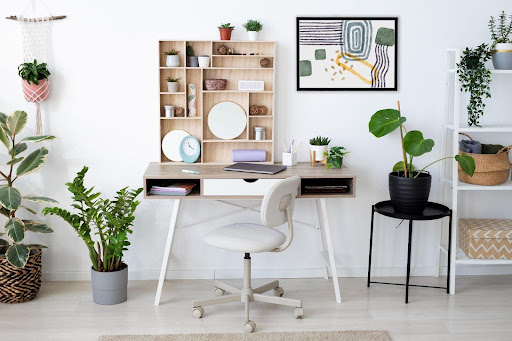
Home-based business owners often reach a tipping point where the kitchen table no longer cuts it, the spare bedroom feels cramped, or work spills into every corner of life. The decision usually lands in one of three buckets: buy a bigger home, renovate what you have, or rethink how your current workspace is designed. Each path carries different costs, timelines, and long-term consequences, so clarity up front matters.
Key Points
- Buying a larger home creates a clean separation between work and life but requires long-term financial commitment.
- Renovating adds functionality without uprooting your routine, though construction can disrupt daily operations.
- Redesigning your workspace is the fastest and least expensive option, but it has clear limits.
- The right choice depends on growth trajectory, cash flow stability, and how central your space is to client work.
When a bigger home becomes the business move
For some owners, growth isn’t just about square footage—it’s about legitimacy and breathing room. If you host clients, store inventory, or plan to add team members, moving to a larger home can unlock opportunities that smaller spaces simply can’t support. The upside is long-term flexibility; the downside is committing to higher monthly expenses and a more complex buying process.
Finding the right mortgage
If this route feels right, financial guidance matters. Working with Vintage Mortgage Firm can help you assess affordability, compare loan structures, and align a purchase with your business income patterns. Their personalized approach can reduce uncertainty and help ensure that a move forward actually supports productivity rather than creating stress.
Renovation as a strategic middle ground
Renovating appeals to owners who like their location but not their layout. Converting a garage, finishing a basement, or adding soundproofing can dramatically change how your business operates without changing your address. This option works well when zoning allows business use and when expansion needs are specific rather than open-ended.
Renovations do demand patience and planning. Budgets can creep, and timelines may clash with busy seasons. Still, for owners with predictable workflows, targeted upgrades often deliver a strong return by tailoring space exactly to how work gets done.
Smart workspace redesign
Sometimes the problem isn’t space—it’s friction. Poor lighting, awkward storage, or constant distractions can make even a large room feel unusable. Redesigning your existing workspace focuses on ergonomics, flow, and boundaries rather than walls and square footage.
This approach shines for solo operators and service-based businesses. It’s fast, reversible, and budget-friendly. The limitation is scale: once growth demands multiple rooms or dedicated zones, redesign alone may not be enough.
Evaluating your best option
Walking through these steps can reveal which option aligns best with reality:
- Project your business size and space needs three years out.
- Review your cash flow stability and tolerance for long-term debt.
- Identify whether client-facing work requires a more professional setting.
- Check local zoning and renovation restrictions.
- Define how much disruption your business can absorb in the short term.
How operational tools free up mental space
Decisions about physical space get easier when the rest of your business feels under control. An all-in-one business platform like ZenBusiness can centralize the operational side of running a home-based company, from forming an LLC to staying on top of compliance tasks. It can also support website creation and basic financial organization, reducing the number of separate tools you juggle. With fewer administrative loose ends, you can evaluate space options more calmly and strategically. The result is better focus on choosing an environment that actually improves how you work.
Comparing your main options at a glance
The table below contrasts the three paths across the factors most owners care about.
| Option | Upfront Cost | Time to Implement | Flexibility for Growth |
| Buy a bigger home | High | Long | High |
| Renovate current home | Medium | Medium | Medium |
| Redesign workspace | Low | Short | Low |
FAQs for Home Business Owners
What option best supports steady business growth?
The best choice aligns with realistic growth, not aspirational guesses. Buying or renovating works when expansion is likely and sustained. Redesign fits stable or solo operations.
How risky is it to tie business success to my home?
Combining work and living space can amplify stress if income fluctuates. Larger homes and renovations raise that risk through higher fixed costs. Redesign keeps commitments lighter.
Will clients perceive my business differently based on space?
Client-facing work often benefits from dedicated, professional environments. A larger home or well-executed renovation can signal credibility. Redesign helps internally but may not change perception.
How disruptive will this be to daily operations?
Moving homes is the most disruptive, renovations follow, and redesign is usually manageable. Timing matters if your business depends on consistent availability. Plan around peak workloads.
Can I reverse this decision later?
Redesign is easiest to undo, while renovations and home purchases are more permanent. Flexibility matters if your business model may change. Consider exit options before committing.
Closing thoughts
There’s no universally right answer—only a right fit for where your business is now and where it’s headed. Bigger homes, renovations, and redesigns each solve different problems. The smartest move is the one that reduces friction, supports growth, and lets you show up focused every day. When space works with you instead of against you, the business usually follows.